

My Period is 4 Days Late But I Have Cramps
Experiencing cramps with a late period can be concerning, but it’s not uncommon. Many women experience menstrual cramps before and during their period, even if it arrives later than expected. Stress, hormonal fluctuations, or changes in routine can all contribute to delayed periods. However, if cramps persist or if you are concerned about your menstrual health, Dr. Michelle Trandai, MD, in Chicago, IL, can help assess your symptoms and provide guidance on next steps. Our team is here to support you and ensure you receive the care you deserve. Contact us for more information or request an appointment online. We are conveniently located at 5449 N Broadway, Chicago, IL 60640.
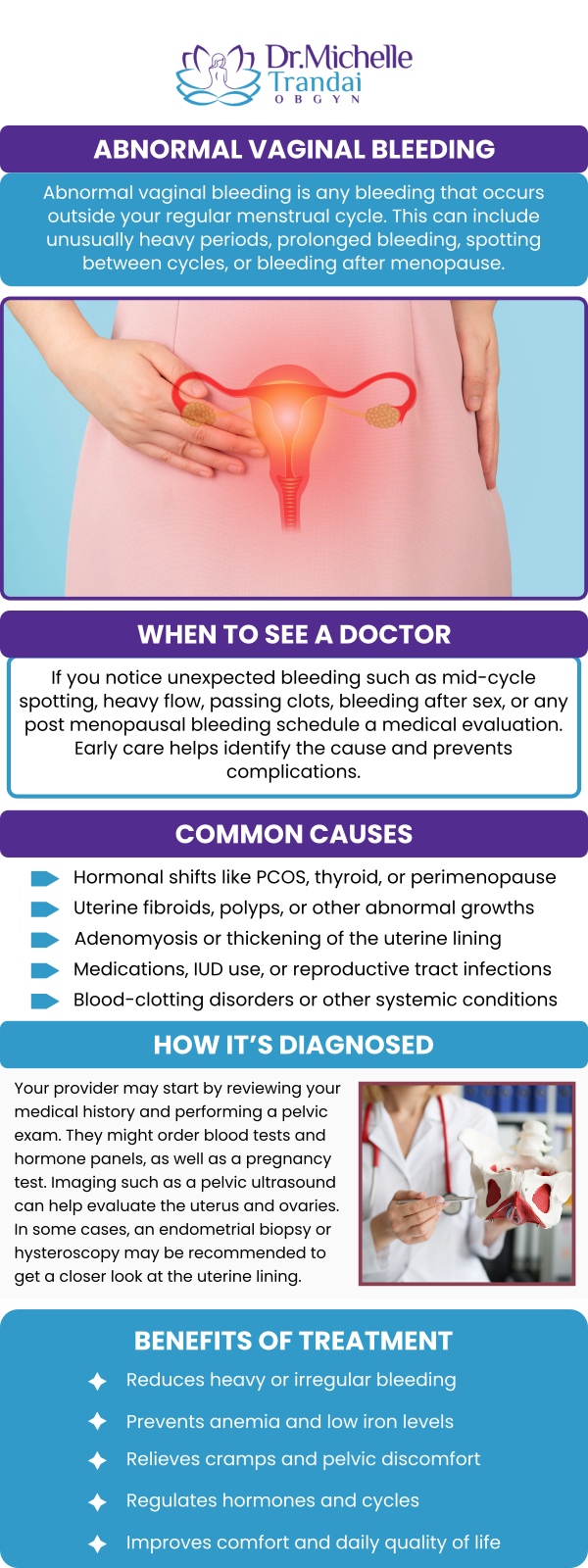
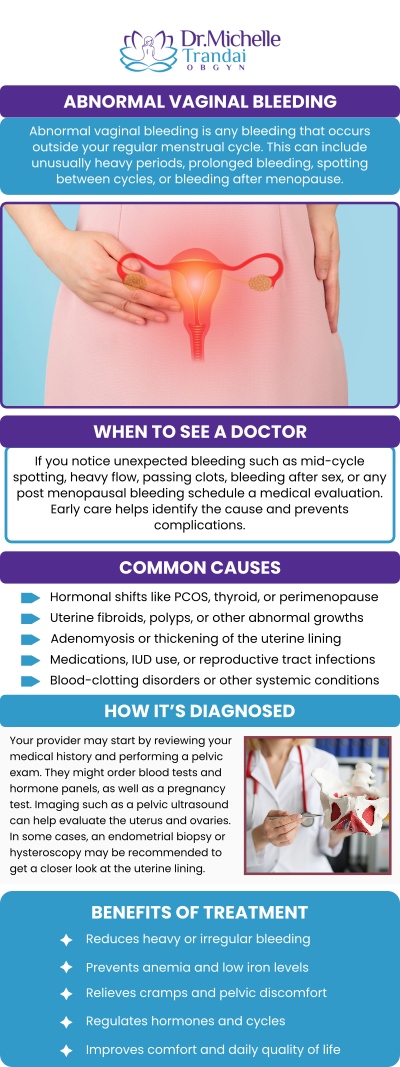
Table of Contents:
What could be the reason for my period being 4 days late and having cramps?
Are late periods always a sign of an underlying health issue?
Could a hormonal imbalance be responsible for my late period and cramps?
How can I relieve cramps while waiting for my period to arrive? Tips from Dr Michelle Trandai, MD
A late period accompanied by cramps can be caused by a variety of factors, ranging from normal lifestyle changes to underlying health conditions. While a delayed period can happen occasionally due to minor disruptions, persistent delays combined with cramps may signal something more significant. Here are some potential reasons for a period being 4 days late, along with cramping:
Here’s a list of possible reasons for a late period and cramps:
● Stress: Emotional or physical stress can disrupt your hormonal balance, leading to a delayed period and cramps.
● Hormonal Imbalance: Fluctuations in hormones like estrogen and progesterone can affect your cycle, causing a late period and menstrual cramps.
● Pregnancy: A late period accompanied by cramps could be a sign of early pregnancy, particularly if your cramps are mild and not as intense as usual.
● Polycystic Ovary Syndrome (PCOS): PCOS is a condition that affects hormonal regulation and can lead to irregular cycles and cramping.
● Thyroid Issues: Hypothyroidism or hyperthyroidism can cause irregular periods and discomfort like cramps.
● Weight Fluctuations: Significant weight loss or gain can affect your menstrual cycle and cause cramps.
● Changes in Routine or Exercise: A sudden change in physical activity or diet can affect the timing of your period and lead to cramps.
● Perimenopause: Women in their late 30s to early 40s may experience changes in their menstrual cycle due to hormonal shifts as they approach menopause.
If you’re concerned about your symptoms or if your period continues to be irregular, it’s important to seek professional care. Dr. Michelle Trandai, MD, can help assess the cause of your symptoms through a thorough evaluation. By understanding your unique health situation, Dr. Trandai can provide personalized treatment options to help regulate your cycle and alleviate any discomfort you’re experiencing.
Late periods can be caused by a variety of factors, and not all of them indicate an underlying health issue. In many cases, late periods can be a normal part of your menstrual cycle. Stress, changes in diet or exercise, travel, or significant weight fluctuations can all disrupt your cycle temporarily. Hormonal shifts, such as those that occur during adolescence or perimenopause, can also lead to irregular cycles without indicating a serious health concern.
However, if your periods are frequently late or accompanied by other symptoms, it may be a sign that something more significant is at play. Conditions like polycystic ovary syndrome (PCOS), thyroid imbalances, or uterine issues can lead to irregular or missed periods. It’s essential to pay attention to other signs, such as heavy bleeding, severe cramps, or changes in your overall health, as these may indicate an underlying issue.
If you’re concerned about your late periods or any other menstrual irregularities, Dr. Michelle Trandai, MD, can help assess your symptoms and determine if there’s an underlying health condition. Dr. Trandai provides personalized care and treatment options to address your unique needs and ensure optimal reproductive health.
Hormonal imbalances can be a significant factor in both a late period and cramps. Hormones like estrogen and progesterone regulate your menstrual cycle, and disruptions in their levels can lead to delayed or missed periods. Conditions like polycystic ovary syndrome (PCOS), thyroid disorders, or stress can all contribute to hormonal fluctuations. These imbalances may also cause more severe menstrual cramps or irregular cycles.
In addition to hormonal imbalances, factors like extreme weight loss, excessive exercise, or certain medications can also affect your hormonal levels. Stress, both physical and emotional, can also impact the hypothalamus, which controls the release of hormones that regulate menstruation. It’s important to assess your lifestyle and any potential underlying conditions that may be contributing to your symptoms.
If you suspect that a hormonal imbalance is affecting your period or causing cramps, it’s best to consult Dr. Michelle Trandai, MD. Dr. Trandai can help identify the root cause of your symptoms through a thorough evaluation and offer personalized treatment options to restore balance and improve your menstrual health.
Menstrual cramps can be uncomfortable, especially when your period is delayed. Dr. Michelle Trandai, MD, recommends several strategies to help alleviate discomfort while waiting for your period to arrive. Over-the-counter pain relievers like ibuprofen or naproxen can effectively reduce inflammation and relieve pain. Applying heat to your lower abdomen using a heating pad or warm compress can also help relax the muscles and ease cramping. Make sure to stay hydrated and try gentle exercise, such as walking or yoga, to promote circulation and reduce tension.
If cramps persist or are unusually severe, it’s important to consult Dr. Michelle Trandai, MD, for further evaluation. Sometimes, persistent cramping may be linked to other underlying issues like hormonal imbalances or reproductive health concerns. Dr. Trandai can work with you to address these symptoms and recommend additional treatments if needed, ensuring that you receive the best care for your menstrual health.
Contact us for more information or request an appointment online. We are conveniently located at 5449 N Broadway, Chicago, IL 60640. We serve patients from Chicago IL, Evanston IL, Ravenswood IL, Uptown IL, Lake View IL, Lincoln Park IL, Buena Park IL, Bowmanville IL, Boystown IL and Roscoe Village, IL.
Check Out Our 5 Star Reviews





 How May I Help You?